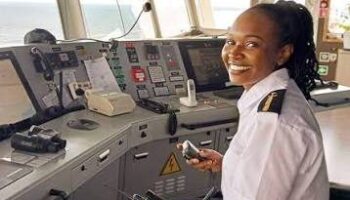

More dual-fuel vessels are entering service and that number will grow considerably over the coming years. For shipowners, finding engineers with the right training, experience and certification adds another challenge to an officer market already under pressure.
Methanol is a good example of why this needs careful planning. The change is much greater than the earlier move from traditional engines to camshaftless or electronically controlled engines. Engineers are not simply learning a new control system around familiar processes. They need to understand a different and more complex set of fuel-handling, operational and safety processes, and how those processes work together.
This requires a strong foundation in engineering theory, motivation to learn and good English-language ability. Not every engineer will be able to make that transition through a short training course, which narrows an already limited pool of suitable people.
Training quality also deserves close attention. Courses provided by the engine manufacturers themselves are generally of a good standard because the instructors, systems and training material are closely connected to the actual equipment. Outside the OEM sphere, quality can vary. We have seen and heard examples where simulators do not properly reflect the processes engineers will encounter onboard, while some instructors do not have sufficient technical knowledge of the systems they are teaching.
Holding a certificate is therefore not necessarily the same as having the competence and confidence to operate the plant.
Our advice to owners taking delivery of dual-fuel vessels is to plan well ahead and start building the crew pool early. Identify the officers with the right foundation, work out how many will be needed to cover rotations, make sure the training is of the required quality and provide opportunities to gain practical experience.
The traditional approach of going to the market shortly before delivery and recruiting experienced officers as required is becoming increasingly difficult. These officers are already in high demand and owners relying on the open market should expect to pay a substantial premium to secure them.